Art For Africa – Small Art, BIG Idea
This February marks the 13th Annual Artists for Africa Postcard Art Sale, an event selling small art for a big purpose. The evening benefits a local non-profit started by Columbia-born professional ballerina Cooper Rust. It supports art and education opportunities for impoverished children in Kenya.
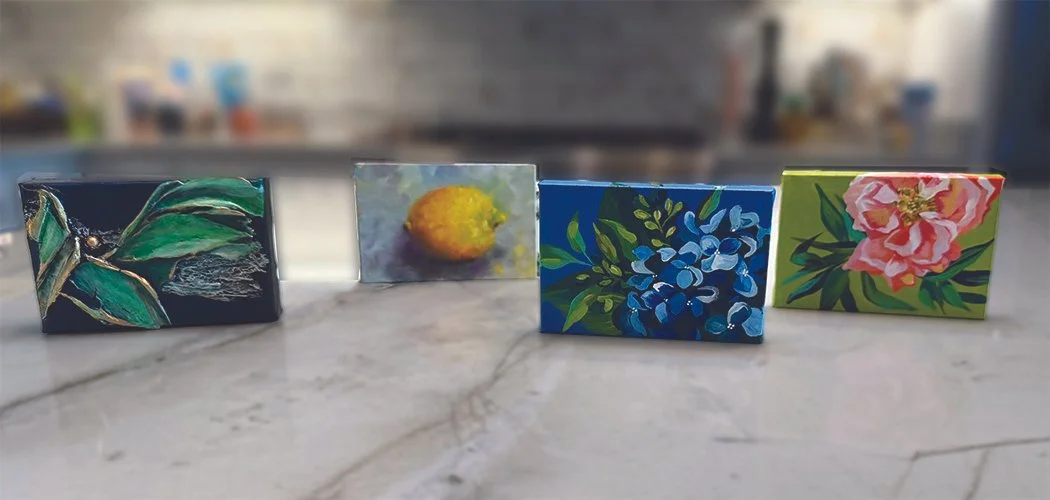
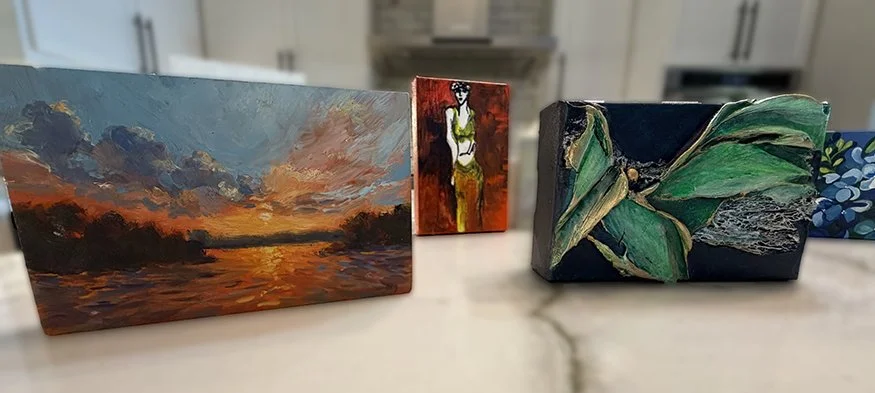
But this isn’t some run-of-the-mill art auction. For this event, artists both local and nation-wide are given postcard-sized canvasses and asked to express their talent using whatever medium they choose, from paint to multimedia to collage. Those works are then returned to Artists For Africa for the postcard show and sale. Once there, each piece is displayed with only its title. It does not include the name of the artist. In this way, the work of local high school artists and nationally-respected professionals share equal space and equal importance in the gallery.
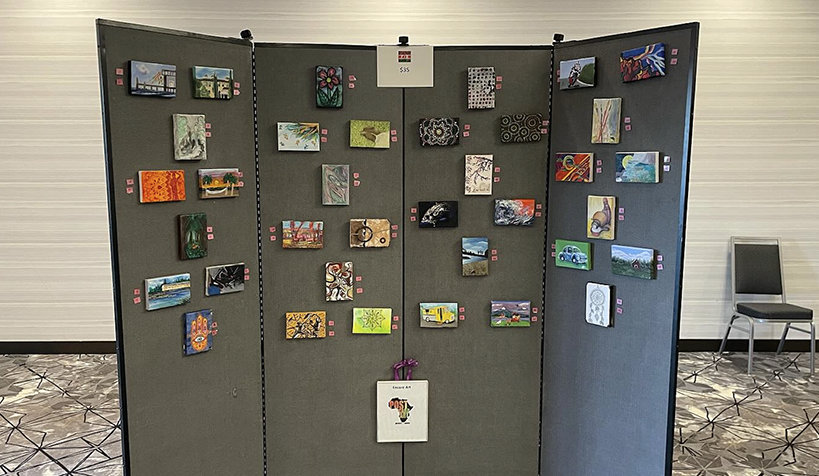
Many of our very own Crooked Creek Art League members have participated in the past and will again this year– both as creators and buyers of the art; and many are looking forward to attending this year’s iteration. The event includes a cocktail hour before the opening of sales where some people chit chat, but other simply line up at the entrance to the gallery, hoping to be the first in to see and purchase art.
Why is that? A novice artist sharing equitable space in a gallery with a master artist is not the only thing that sets this sale apart from the norm. At this sale, art is purchased on a first-come, first-served basis, so the old adage of “finders keepers” rings quite true. These logistics (versus an auction, say) not only ensure affordability of all pieces, it levels the financial playing field for art lovers who may be especially keen on owning original art, but don’t always have the pocketbook to do so. This art sale uniquely levels the playing fields for both artists and buyers.
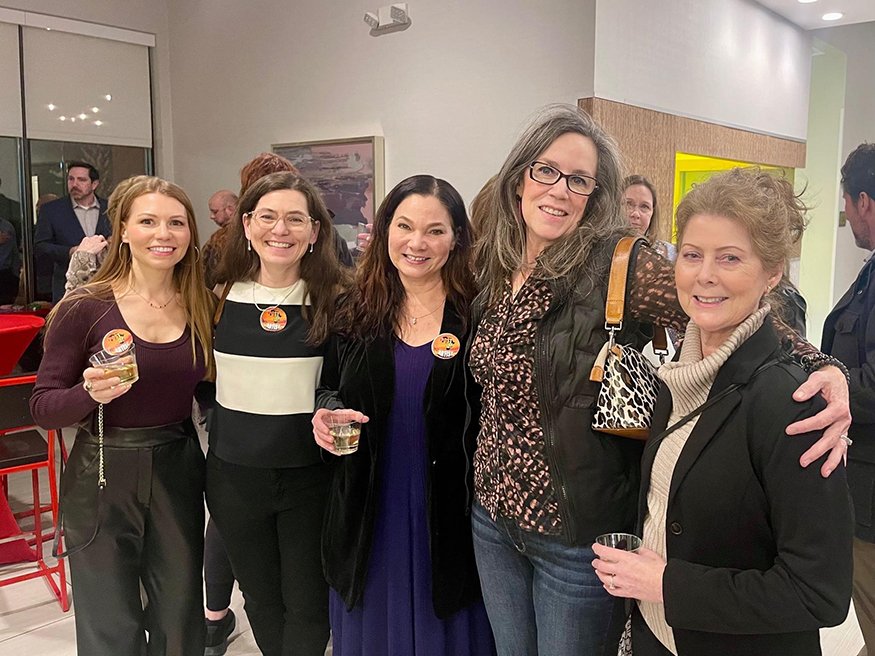
Crooked Creek Art League members, from left: Jasmine Fleetwood, Barbara Teusink, Rebecca Horne, Sonya Diimmler, and Brenda Peake celebrate at the 2025 Artists For Africa event.
Before the sale officially opens, most attendees enjoy beer, wine, and hors d’oeuvres during the cocktail hour as anticipation builds for the annual reveal of the artwork. Sonya Diimmler, a Midlands-based artist who has participated over the last eight years by donating her artwork and purchasing others’ especially enjoys the moment when the ballroom doors to the art sale first open and attendees swiftly move from the cocktail hour into the gallery to view and purchase art pieces. She explains,
“The crowd rushes in excitedly, looking for a painting from a specific artist or to discover a new artist, or to add a piece to their A4A collection. A list of participating artists is prominently displayed at the reception, but artists are asked not to sign their pieces on the front or promote their work ahead of time on social media... It really makes it a bit like a scavenger hunt and adds to the excitement.“
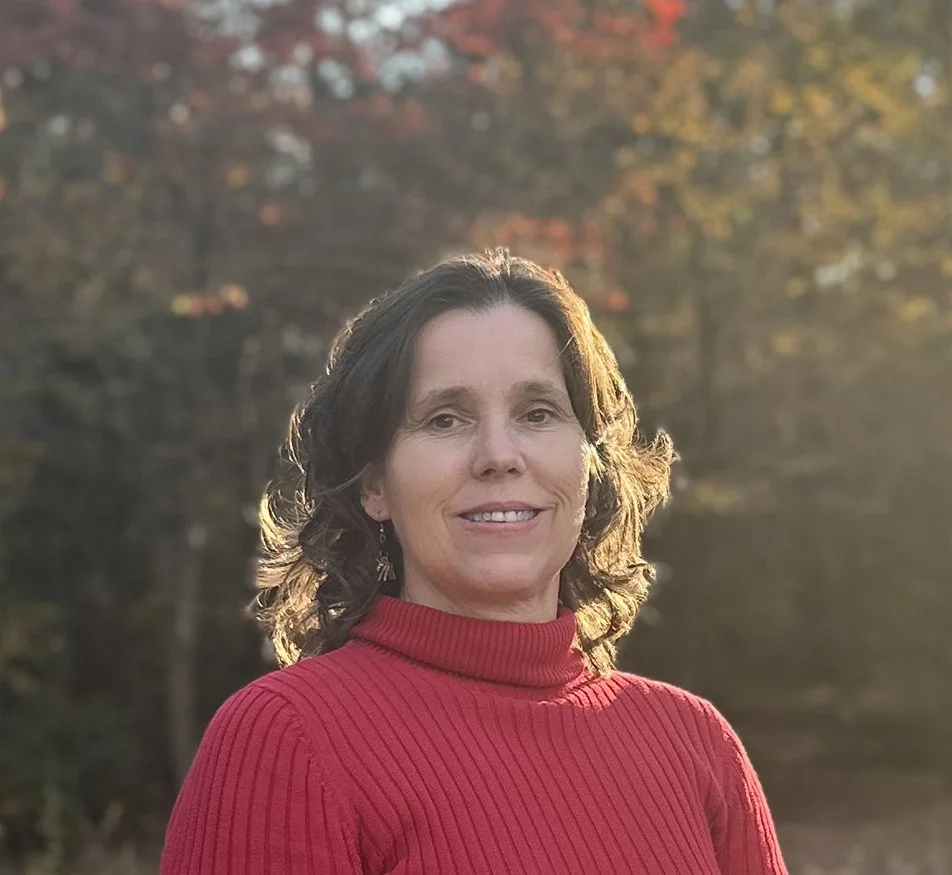
Amy Brady, Treasurer, Artists For Africa
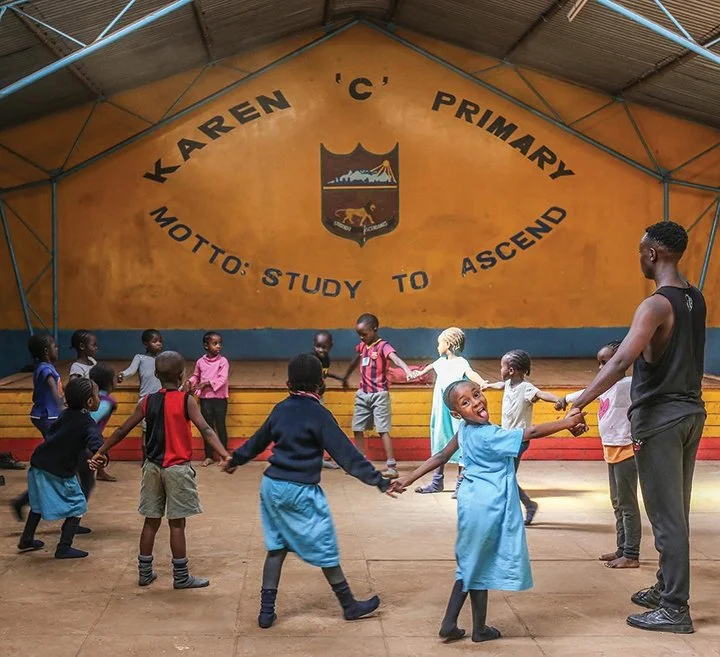
Each year, the proceeds from the tickets, art sales and other events provide funding for weekly art education for over 1,000 underprivileged students in Kenya. Artists for Africa provides supplies and instructors for music, theatre, ballet, traditional African dance, and visual arts, giving children the opportunity to participate in the endless joy that art and community can bring. Amy Brady, Artists For Africa’s Treasurer explains it perfectly: “I love Artists for Africa because it’s really the arts community here supporting the arts community there.” Some of those students have gone on to continue their education in the UK and the US, studying and excelling in subjects like engineering, theatre design, and ballet with the funding.
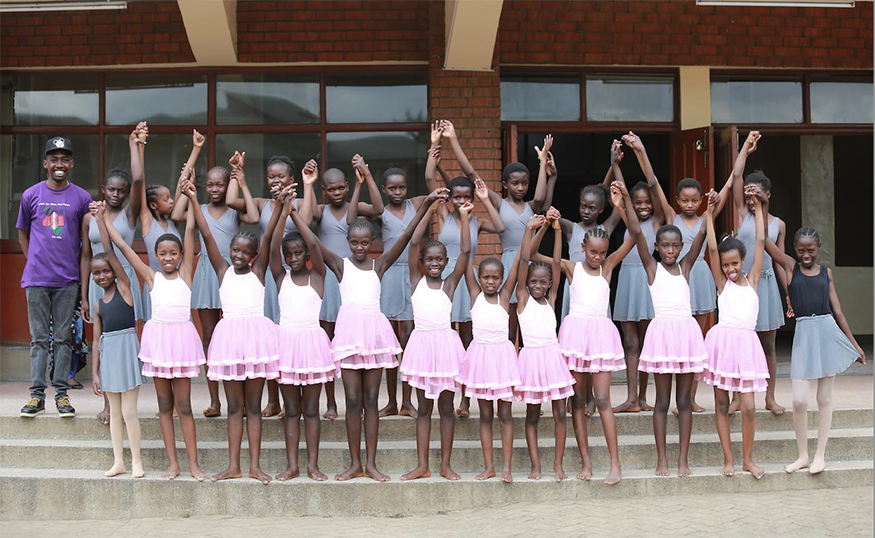
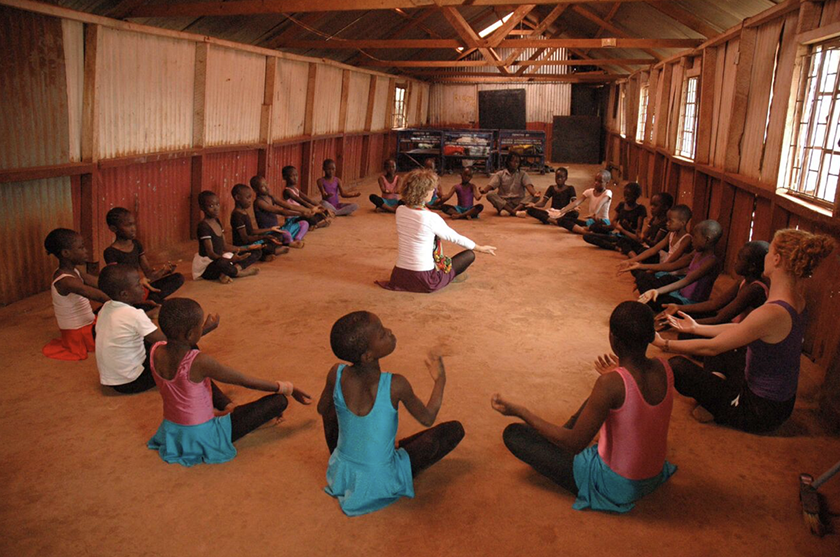
Cooper Rust, who now lives full time in Kenya, trained for years before signing her first professional dance contract at the age of seventeen. During the six to eight weeks off from the professional dance season, Rust traveled to Kenya and taught ballet in Kibera, an informal settlement of Nairobi where extreme poverty is the norm. Access to clean water, electricity, and reliable housing is limited or nonexistent; unsanitary conditions, disease, and unemployment are common. It was in her third year of spending her off-season in Kenya, teaching in rooms with dirt floors, and no mirrors or bars, that she decided that she wanted to stay more permanently and make a change. In 2012, she began raising funds through her new non-profit, Artists for Africa, and opened the first studio for Dance Center Kenya in January of 2015. It gives the children supported through Artists for Africa a place to train at a pre-professional level.
The next year, the organization opened the A4A House, a boarding house that provides a safe residence and covers the living expenses for children in need. Currently, seven promising students stay at the house, receiving room, board, education fees, medical expenses, transportation and more.
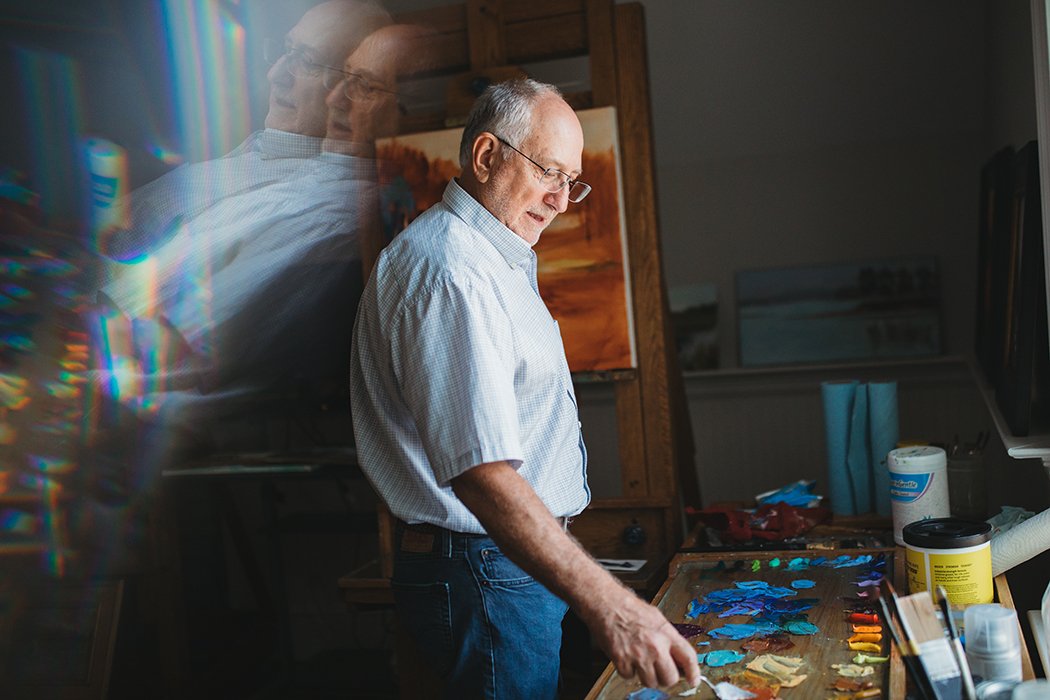
Jan Lane, a Lexington-based oil painter, first learned about the event after her own trip to Kenya. Hosted by a Kibera local, Lane was introduced to the area during the summer of 2024. “The idea of doing something to help with the basic needs of these children, plus giving them an opportunity to participate in the arts was exciting to me,” Lane said. She both donated her artwork and attended the event for the first-time last year. “It was very fulfilling to see my paintings chosen [/purchased] and to know the funds were going to such a good cause,” she told me.

ARTISTRY LIVES EVERYWHERE
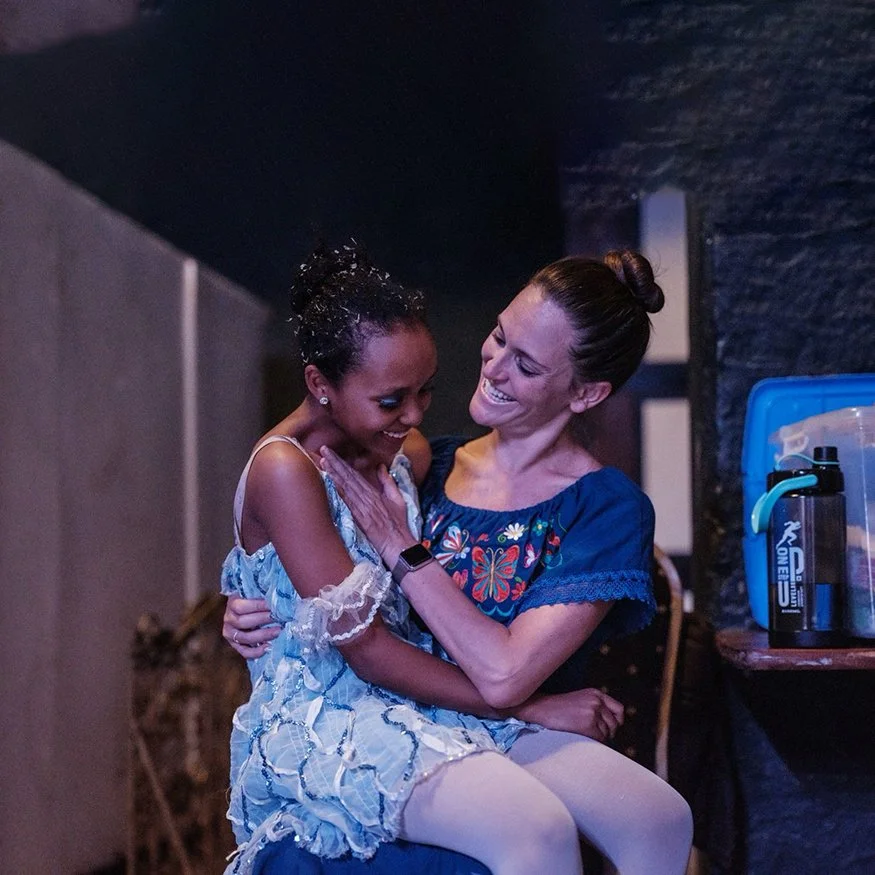
Ms. Rust spent her childhood working toward the goal of dancing professionally, even leaving home at the age of thirteen to train in New York. She knows exactly the flexibility, physical strength, technique, and level of detail needed to reach the competency required for a professional future in the dance world. When she began teaching in the poorest neighborhoods of Nairobi, she saw the opportunity for children there to achieve the same things she had dreamed of while growing up in South Carolina. “The difference was not passion or potential, it was access,” Rust shared with me. “Artists for Africa exists to bridge that gap. For the dancers we support, the impact goes far beyond the stage. It is education, safety, leadership, and the chance to imagine a future that looks different from the circumstances they were born into.”
It has a significant impact. Her expertise helped Joel Kioko, who trained at Dance Center Kenya, to become the first Kenyan to receive a full scholarship to the prestigious English National Ballet School in London. As a child, Kioko moved from the infamously underprivileged neighborhood of Kuwinda to study with Rust. He has continued to return home to teach while pursuing his own professional ballet career, first at the Joffrey Ballet Studio Company and now at the Syracuse City Ballet. Covered by news organizations like the BBC, Kioko’s accomplishments have given ample validation to Rust’s work in Nairobi. She says that his name recognition has helped parents understand the goals of her work. While not every student wants to or has the potential to become a professional dancer, the children are learning the same lessons that we recognize in our own communities from art and athletics; time management, tenacity, collaboration, discipline, and self-confidence.
While the art pieces are small, the cost of education, whether in Kenya or in the United States, is not. To date, Artists for Africa has raised approximately $1.2 million. As a 100% volunteer-run organization, that money is not for salaries, but directly funds education and living expenses.
“We’re trying to fundraise for educations in the States, plus the students that we’re still working with in Kenya,” Amy Brady explains. “We provide all of their schooling, housing, and medical expenses; we fully fund these children.”
“I choose to do this because talent is universal, but opportunity is not.”
Currently, Artists for Africa is supporting two students at East Carolina University who are double majoring in dance and engineering/business. Another student attends the College of Charleston, and a high-school student is studying at the University of North Carolina School of the Arts. The organization helps these students obtain visas, apply for scholarships and campus jobs, and even brings them home for the holidays when dorms close to Mims and Ron Rust, Cooper’s parents.
“This work has been one of the greatest privileges of my life,” Rust said. “I chose to do it because talent is universal, but opportunity is not.”
Whether you’re a philanthropist, an art collector, a lover of the arts, there will be something for everyone at the Postcard Event on February 26, 2026 at the Hilton Garden Inn, Downtown.
To purchase a ticket or donate, visit artistsforafrica.org.