Chapin Goes Green...er
Chapin Garden Club Strives to turn Chapin into
South Carolina’s Largest Per Capita Community Wildlife Habitat
In 2000, Chapin Garden Club launched two initiatives supported by the Garden Club of South Carolina: a Carolina Fence Garden at the Chamber of Commerce and participation in the Backyard Habitat program. Both programs were a success... So Chapin Garden Club did what anyone in their position would typically do: moved the goal posts and upped the ante. Twenty six years later, they aim to turn Chapin into the largest per capita Community Wildlife Habitat in the state by 2030. But this time, they need your help...
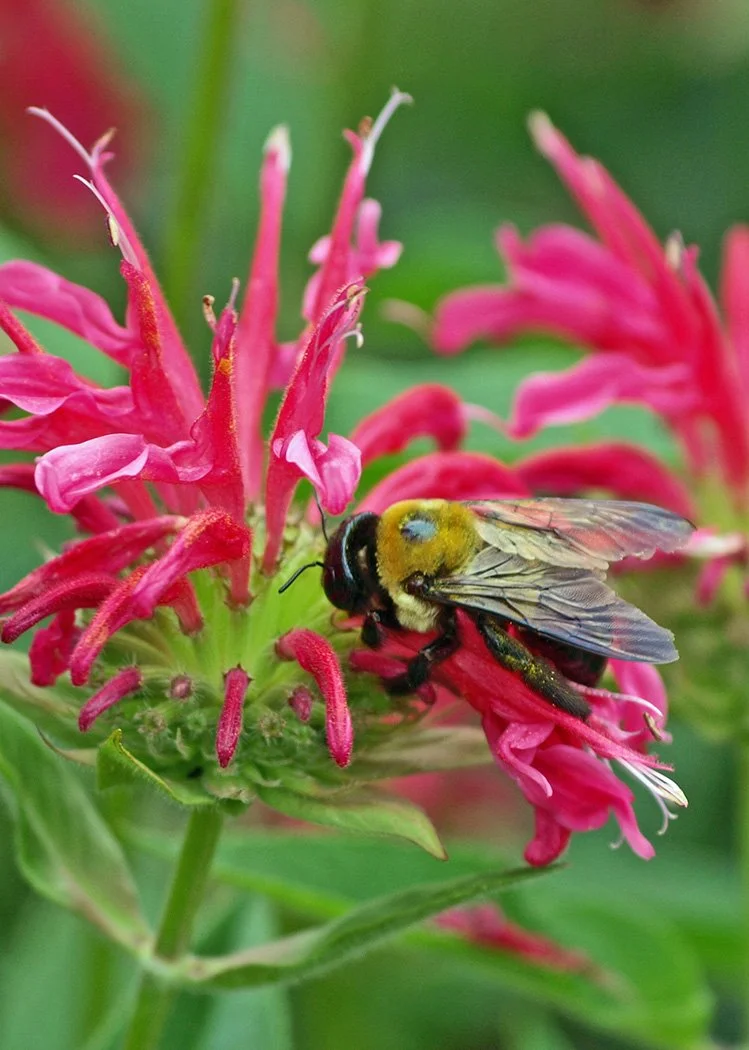
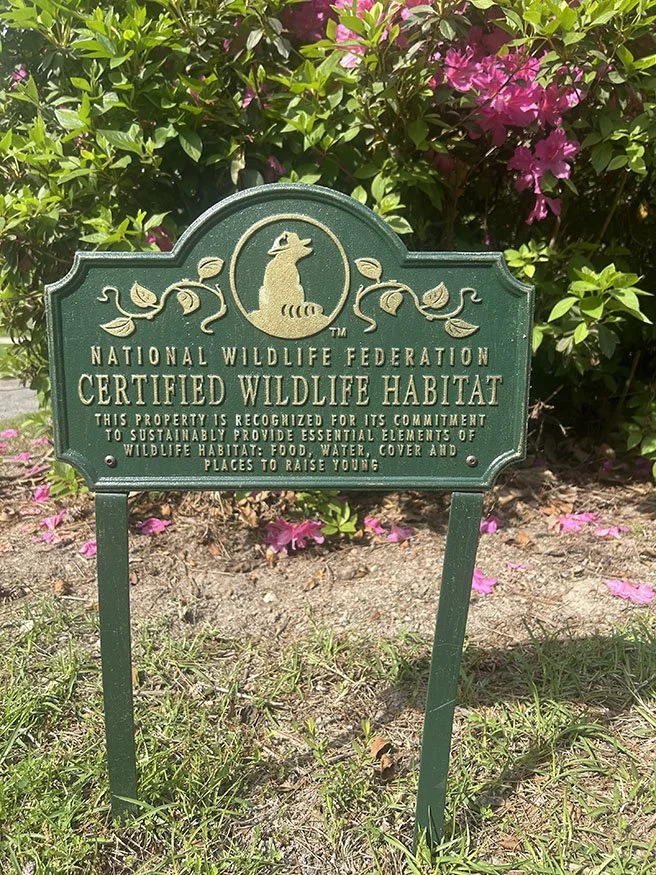
How It Started From the outset in 2000, CGC’s members embraced the challenges wholeheartedly—every member achieved certified habitat status to do their part in the Backyard Habitat program. The efforts established an enduring club tradition: membership meant maintaining a certified backyard. But what exactly is a “certified” backyard, and why does it matter? A Certified Wildlife Habitat® through the South Carolina Wildlife Federation (SCWF) is a greenspace that provides essential elements for local wildlife: food, water, cover, and places to raise young, while also utilizing sustainable practices such as reduced usage of chemical pesticides, the conservation of water, and a reduction in lawn area. Having these conditions in place helps combat habitat loss by supporting birds, butterflies, and pollinators with native plants.
For members of the Chapin Garden Club in the year 2000, the decision to get their yards certified was an easy one. By 2013, an influx of new members shifted focus temporarily; the yard certification tradition had begun to subside. To reignite interest, Bonnie Porter presented a refresher on habitat certification at the October meeting. Then-president Cindy Chin challenged members to certify their own yards and recruit others to do the same. The effort gained traction through flyers, local media, and community outreach.
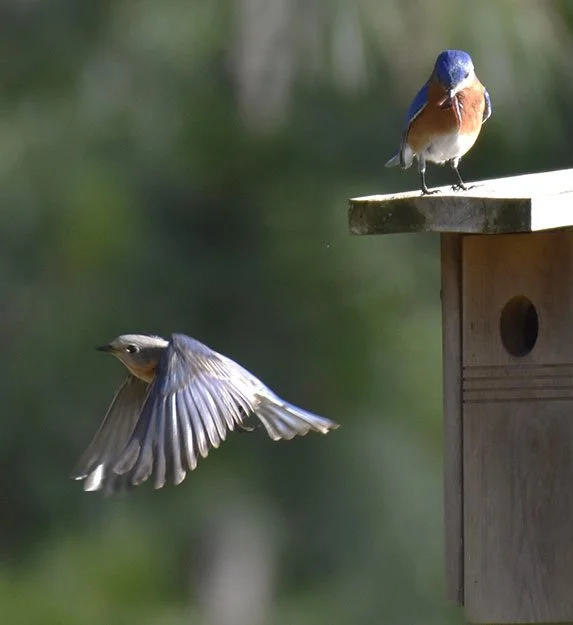
photo by Cindy Chin
The club’s commitment aligned with a broader goal—supporting South Carolina’s national leadership in wildlife habitats per capita. With guidance from Sarah Green of the South Carolina Wildlife Federation, Chapin added 32 new certified habitats by summer 2014. They celebrated with a gathering at Timberlake Country Club.
A pivotal moment came in 2019 when Jay Keck delivered a program on attracting birds and butterflies. His presentation sparked a lasting partnership with the South Carolina Wildlife Federation and deepened the club’s focus on conservation education.
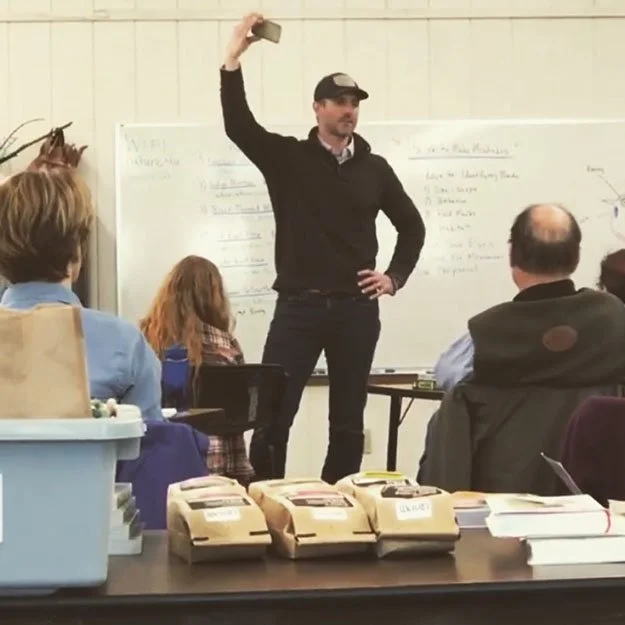
Chapin Goes Green
In May 2021, Keck introduced the idea of designating Chapin (ZIP code 29036) as a Certified Community Wildlife Habitat. Recognizing the opportunity, the club launched “Chapin Goes Green” and registered with the National Wildlife Federation in June 2021.
Certification required community education, media engagement, and achieving 225 habitat points through certified properties. The club undertook a coordinated effort that included:
Publishing articles on wildlife, native plants, and habitat gardening
Hosting workshops, presentations, and an annual Wildlife Trivia Night
Partnering with local organizations, schools, churches, and civic groups
Securing official support from the mayor, town council, and community associations
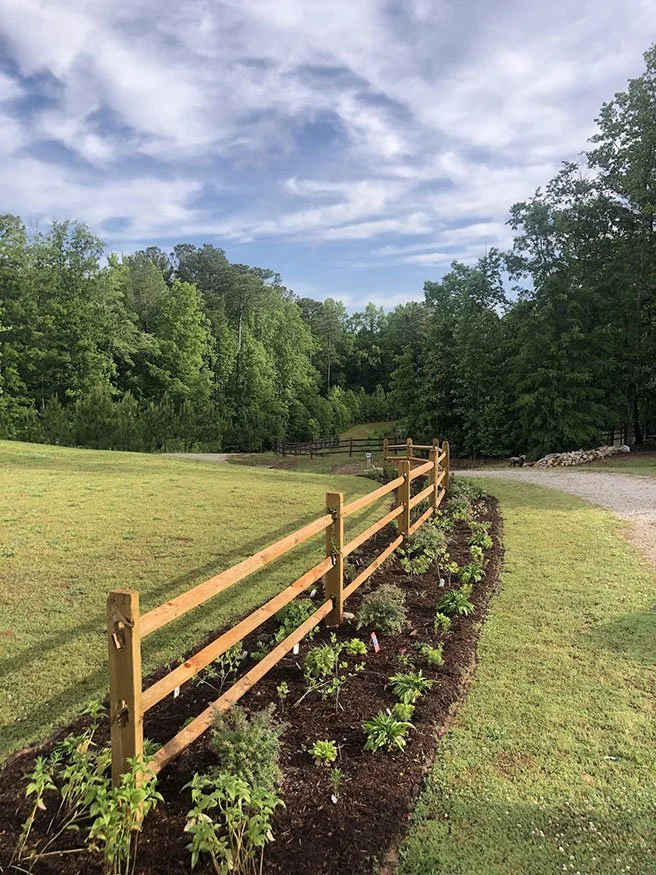
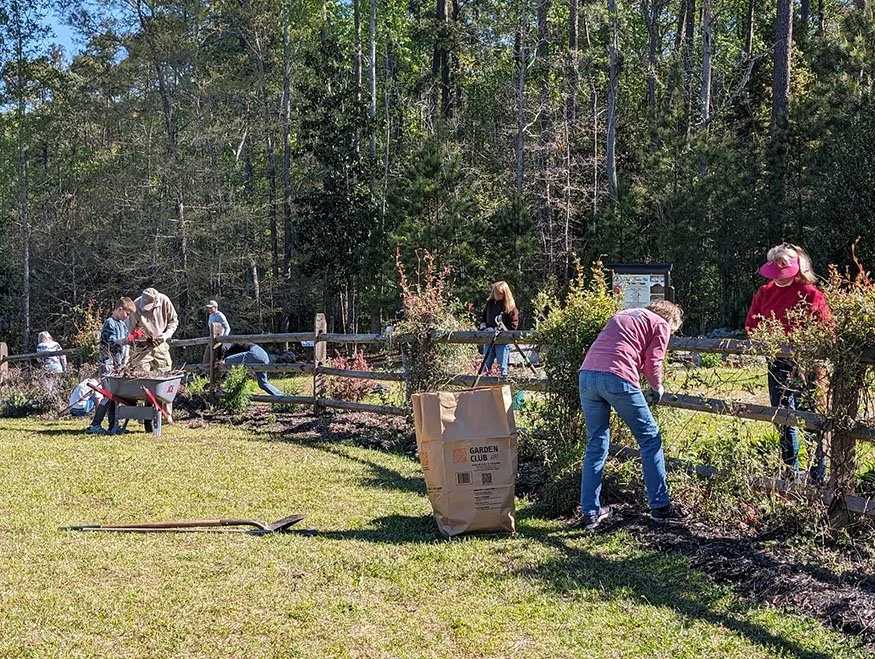
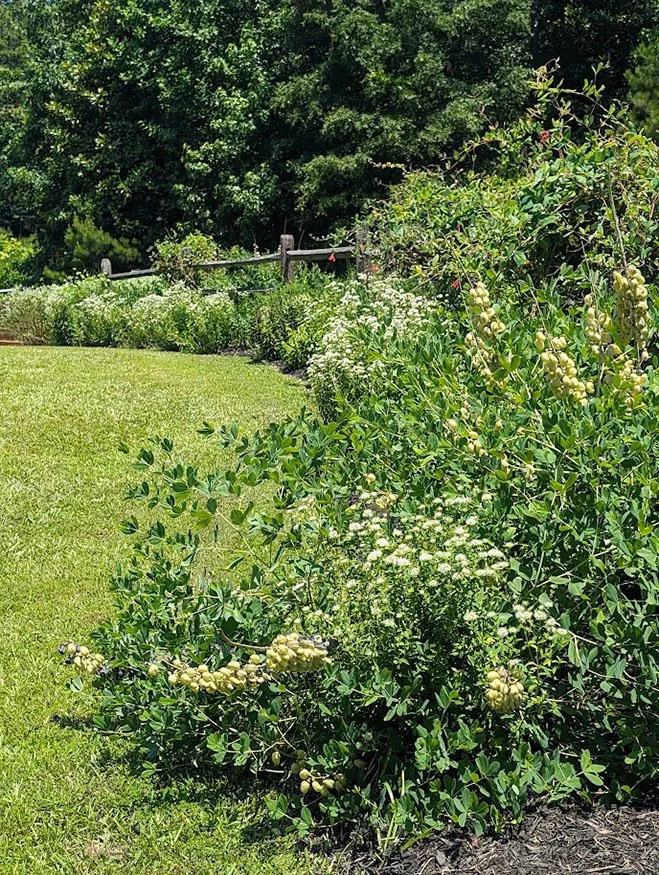
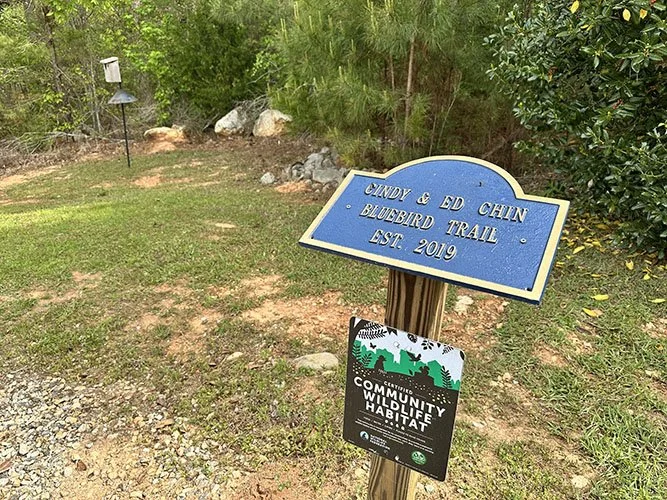
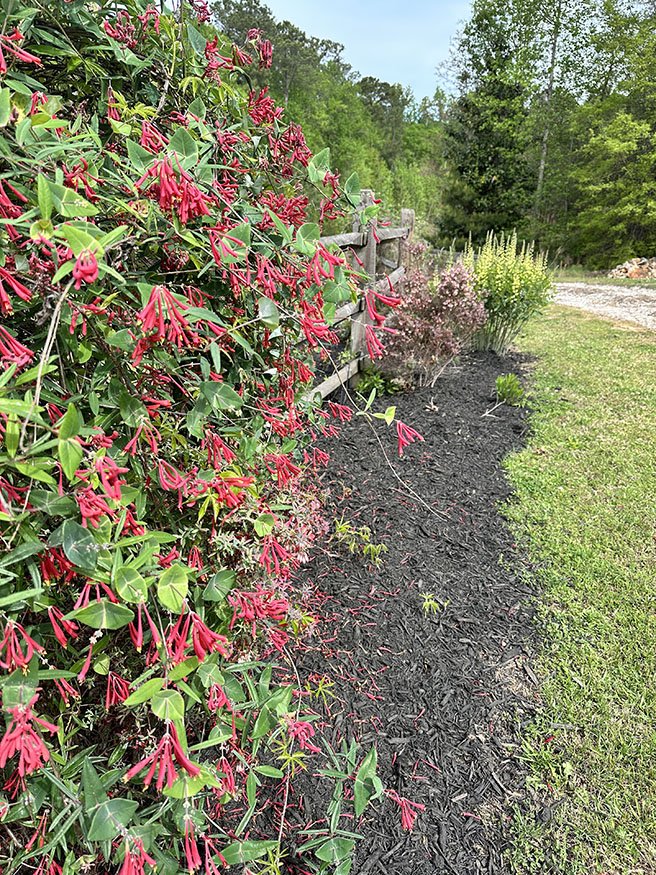
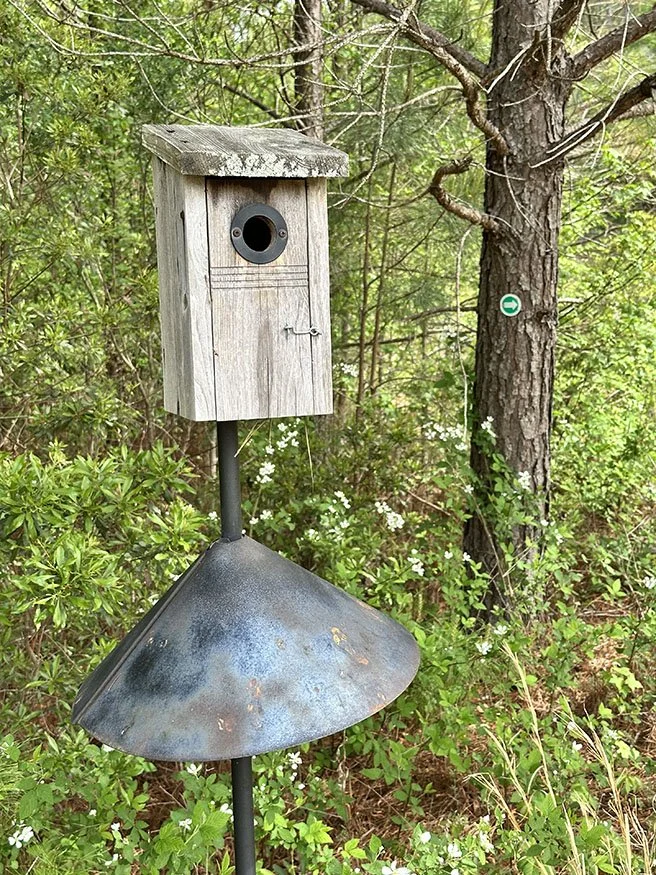
A major achievement was the creation of a 70-by-8-foot pollinator garden at Chapin Town Hall, developed in collaboration with multiple partners and supported by a Dominion Energy grant. The club also worked with the South Carolina Bluebird Society to establish a bluebird trail at Town Hall. Since 2021, the Cindy and Ed Chin Bluebird Trail and participating backyards have documented 153 successful fledglings. Additional enhancements included installing an outdoor message center and a bluestone seating wall at Town Hall, offering educational materials and trail maps to visitors.
““We are proud to work with our community to protect and connect critical habitats for wildlife.””
Reaching the required number of certified properties proved the most challenging step. Engaging more than 200 property owners, businesses, and institutions required sustained outreach—but the effort succeeded. On February 15, 2024, Chapin was officially designated a Certified Community Wildlife Habitat by the National Wildlife Federation.
The community celebrated on June 18, 2024, with a ceremony at Town Hall featuring tours of the pollinator garden and bluebird trail. Mayor Al Koon issued a proclamation recognizing the project’s impact, and state leaders and conservation partners attended. Local students also contributed, creating a video to promote habitat certification.
The project drew inspiration from other successful communities. Kelly Long of the Camellia Garden Club in Greer shared insights from their five-year certification journey, highlighting initiatives such as distributing milkweed seeds to support Monarch butterflies and engaging residents of all ages in conservation.
Today, Chapin has 208 certified properties, including parks, schools, places of worship, government buildings, and private homes. Maintaining certification requires annual renewal, and the Chapin Garden Club remains committed to education, outreach, and expanding participation.
Cindy Chin, who chaired Chapin Goes Green, describes the multi-year effort as a labor of love: “It is an honor and privilege to have Chapin recognized by the National Wildlife Federation. Chapin is now the 161st Community Wildlife Habitat in the U.S., the 14th in South Carolina, and the first in Lexington County. We are proud to work with our community to protect and connect critical habitats for wildlife.”
Through sustained collaboration and grassroots engagement, Chapin Garden Club has created a model for how communities can preserve natural beauty while fostering meaningful connections between people and wildlife. Today they ask: Will you help them?
What is a Community Wildlife Habitat?
It’s Community
The Community Wildlife Habitat is a NWF program that helps communities create sustainable wildlife friendly spaces while engaging residents in conservation and education. They partner with cities, towns, and neighborhoods in urban and suburban areas to incorporate wildlife practice and promote biodiversity in communities across the United States. These practices include using native plants, reducing pesticides, conserving water, and integrating wildlife considerations that support insects, moths, butterflies, caterpillars, birds, etc.. Communities are recognized when property owners such as individual homeowners and businesses, churches, schools, parks, government properties, etc. certify their properties as Certified Wildlife Habitats.
What is a Certified Wildlife Habitat?
It’s Personal
The South Carolina Wildlife Federation (SCWF) was South Carolina’s first conservation group. Established in 1931, it has been safeguarding our state’s wildlife for nearly a century and relies on proven scientific methods to protect and preserve the health of delicate ecosystems. It is the SCWF that administers the Wildlife Habitat program to assist homeowners, businesses, churches, schools, parks, etc. to individually certify habitat. This requires providing 4 essential elements for wildlife: food, water, cover, and places to raise young plus incorporating some (not all) sustainable gardening practices. These practices can be very small changes that make a big difference and save time and money. Per the SCWF:
Stop Using Pesticides
Yes, they kill the bad critters, but also poison bees and butterflies, birds and other animals whose diet consists of insects. Without pesticides, your flowers and vegetables will pollinate more aggressively -that means more flowers and fruits.Plant Native Plants and Trees
These plants are already adapted to our climate, and the native wildlife has adapted to these plants. Keystones native trees such as oaks support over 500 species of insects, moths, and butterflies. Native flowers such as goldenrod and asters also support over 100 species of the same. And, we have individual natives such as milk weed which is the only food for our beautiful monarch butterflies. Lastly, natives are generally more drought resistant and easier to grow.Reduce Fertilizer Use
If you must use fertilizers, be sure to closely follow the directions. Excessive chemical fertilizer will not help your plants any more and will pollute our waterways. You can create your own organic fertilizer by beginning a compost pile.Let One Tenth of Your Yard Grow Wild
Untouched areas left to their own devices support much healthier ecosystems allowing insects, moth, butterflies, fireflies, bird, etc. to proliferate and thrive.Reduce the Amount of Turf
Grass is time consuming and expensive, and has no benefit to any wildlife whatsoever. Instead, increase the size and diversity of your flower beds which attracts a diversity of wildlife.
How to Certify Your Yard
Certifying one’s habitat is extremely easy and takes less than 20 minutes. Sign on to the South Carolina Wildlife Federation site and follow the link to certified wildlife habitat.
Certification is a one-time event; there’s no annual renewal. The cost is $25.00 and you can also purchase a sign which identifies your property as a wildlife habitat. Proudly display it where all your friends and neighbors will see it and ask –
“What is this about?” And you can answer, “Well, it’s about:
enhancing livability and health in our communities
saving wildlife
creating beautiful environments for our children and grandchildren
educating the public on wildlife conservation and sustainable practices
and increasing the economic value of our homes and neighborhoods... “
A Bold New Goal – 2030 Vision
There’s so much to gain, and little to lose by certifying your yard. Every individual habitat is the key to maintaining Chapin as a Community Wildlife Habitat. Chapin Garden Club President, Shawn Grover explains, “If Chapin residents do not continue to certify their properties, Chapin will lose this extremely valuable and important designation. That would just be so heartbreaking for our community. But our goal, be it lofty, is to build Chapin into the largest per capita Community Wildlife Habitat in the state by 2030!
Please help the Chapin Garden Club and the whole town by certifiying your yard today. For more information about certification, what to plant with purpose, questions, or technical assistance, go to SCWF.org or contact:
Savannah Jordan, Associate Wildlife Biologist®
South Carolina Wildlife Federation
email savannah@scwf.org
O: 803-256-0670 | M: 864-398-6373